|
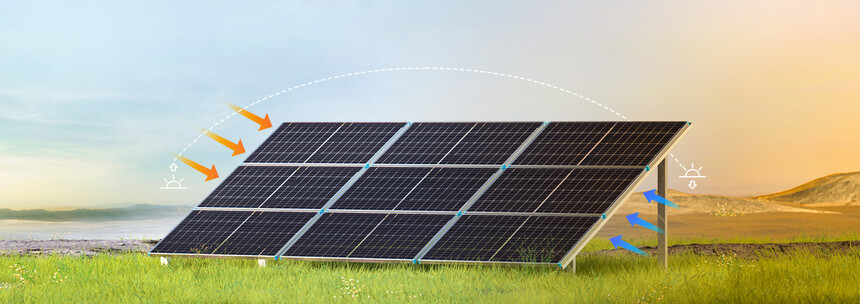
The Differences and Applications of Solar Cells and Photovoltaic SystemsI. Composition of Photovoltaic System The essence of photovoltaic is an energy conversion system that converts sunlight into usable electrical energy through the photovoltaic effect. It is not merely a few panels - a complete system requires the collaboration of three key components:
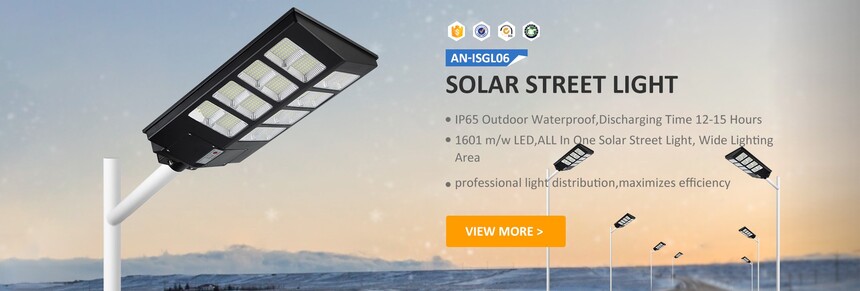
Generation Unit: A grid of solar cells, responsible for capturing light energy Conversion Unit: An inverter that converts direct current to alternating current, suitable for power grids or appliances Support Unit: Includes supports, cables, controllers and other auxiliary equipment To determine if a device belongs to a photovoltaic system, check if it has a complete chain of generation - conversion - output. For example, rooftop power stations are typical photovoltaic systems, while solar panels solely providing power for street lamps may only be independent power supply units. II. Role of Solar Cells Solar cells are like the "heart" of the photovoltaic system, specifically responsible for the most basic energy conversion process. Their core is semiconductor materials (usually silicon-based), which generate electron-hole pairs when photons hit the semiconductor, creating an electric potential difference. Depending on the material process, mainstream solar cells can be classified as: Monocrystalline silicon cells: The highest conversion efficiency (18-22%), but higher cost Polycrystalline silicon cells: Balanced cost-performance, efficiency around 15-18% Thin-film cells: Flexible and lightweight but lower efficiency (10-13%), suitable for special scenarios A single solar cell itself cannot directly supply power; it needs to be encapsulated into an assembly, connected with circuits before it can function.
III. Application Differences This structural difference directly determines their application methods: Photovoltaic systems require overall design, while solar cells focus more on local matching. Large-scale ground-mounted power stations usually adopt a complete photovoltaic system solution, including hundreds of standardized components and centralized inverters. When DIYing small-scale equipment, one may only need to purchase specific types of solar cell panels based on power requirements and combine them with matching batteries. Flexible thin-film solar cells are particularly suitable for curved installation or mobile devices, but they require specialized flexible supports and lightweight circuit designs. |